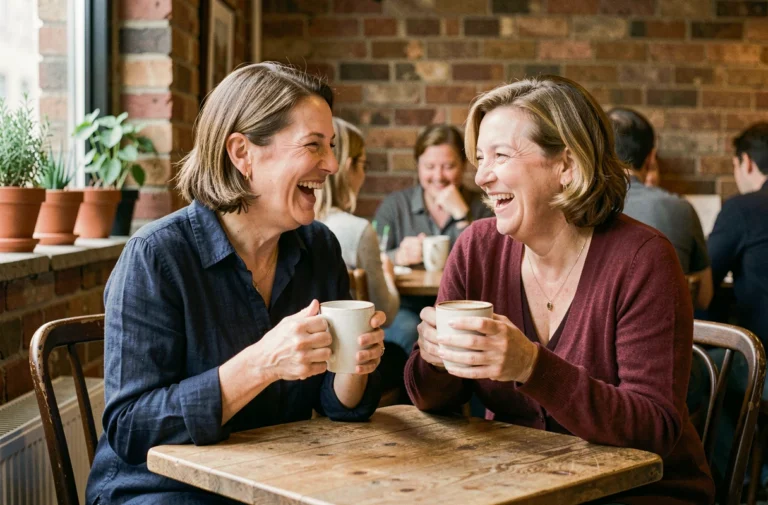
Getting more with less is not a contradiction for everyone. Some choose to slow down while everything accelerates around them, adopting habits that prioritize simplicity without sacrificing quality of life.
When one disrupts their routines and places other priorities at the heart of their days, the results are surprising: stress decreases, expenses drop, and a sense of control is reborn. This search for independence now appeals well beyond activist circles: urban families, young professionals seeking coherence, retirees wanting to give meaning to their free years.
Slow living: understanding the principles and benefits of a peaceful lifestyle
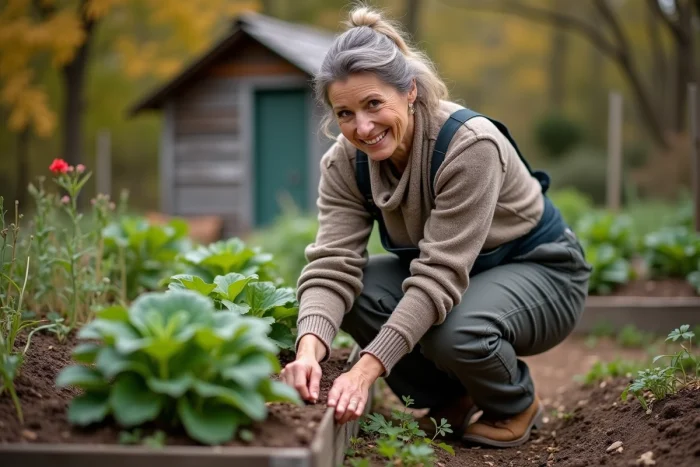
In the face of the constant noise of the connected society, slow living presents a clear alternative: slow down, make conscious choices, give oneself the space to truly breathe. It is not a trend, but a concrete approach where autonomy, minimalism, and conscious time management intertwine. One no longer simply consumes; one questions, sorts, and focuses on the essentials. Cultivating a vegetable garden, maintaining one’s home, reducing waste… each action takes on a new meaning, far from being trivial or a passing fad.
Personal development naturally fits into this: one prefers quality over quantity, seeks sobriety rather than the race for accumulation. The benefits are tangible: improved mental well-being, contained stress, and a peaceful relationship with the body and the environment. Principles derived from permaculture, zero waste, or autonomy are no longer reserved for a handful of insiders. They structure daily life, invite themselves into the kitchen, the garden, the organization of tasks, and even the management of household resources.
The desire to make decisions for oneself and to meet one’s own needs guides this transformation. In practical terms, living autonomously means taking on new responsibilities: producing part of one’s food, optimizing resources, and maintaining one’s habitat according to one’s values. Several forms emerge depending on the situations: energy autonomy with solar panels or rainwater collectors, food independence through gardening or livestock, but also intellectual or economic freedom. Bioclimatic houses, tiny houses, shared land… each path is invented step by step, through trials, errors, and adjustments.
To go further and discover concrete approaches, the autonomous blog to explore offers analyses, feedback, and practical resources for those wishing to take the plunge. Autonomy is not reserved for dreamers: solutions exist, testimonies circulate, and tools are multiplying. Slowing down then becomes an act of freedom, not just a simple slowdown.
How to integrate slow living into daily life? Practical tips to move at your own pace
Changing the arrangement of one’s days opens the door to new balances. Rather than scattering oneself, one focuses on what truly matters. Structuring routines around real needs is already a step towards greater autonomy: preparing meals at one’s own pace, organizing household chores without haste, creating a workspace or rest area that promotes serenity. A routine chart or visual aids can provide a flexible and reassuring framework, without generating unnecessary pressure.
Building food autonomy involves simple but regular actions. Planting a few seeds, harvesting vegetables, raising two or three chickens for eggs… all accessible steps, even in urban areas, that strengthen the ability to meet one’s own needs. Adapted tools, ergonomic utensils, non-slip placemats, solar dryers or ovens, make life easier, render tasks safer, and allow for greater fluidity.
To better manage resources, one must first know where they stand. Taking stock of water, energy, and food supplies allows for anticipation and optimization. Certain equipment reinforces this independence: a solar battery for electricity, a solar water heater to reduce bills, a rainwater collector for watering or cleaning without wasting. Less dependence, more control.
Here are some concrete ideas to strengthen daily autonomy:
- Create a space that facilitates main activities: a functional kitchen, an accessible hygiene area, a calming rest corner.
- Schedule regular moments to move, garden, or maintain connections with your surroundings.
- Think about safety and managing unforeseen events: organizing a first aid kit or anticipating power outages is part of a complete autonomy.
Having specialized books or practical guides remains a valuable asset for progress. The variety of solutions, tools, and activities gives everyone the opportunity to find their own rhythm, without feeling overwhelmed or constrained.
Inspirations and testimonies: these journeys show that a more independent life is possible
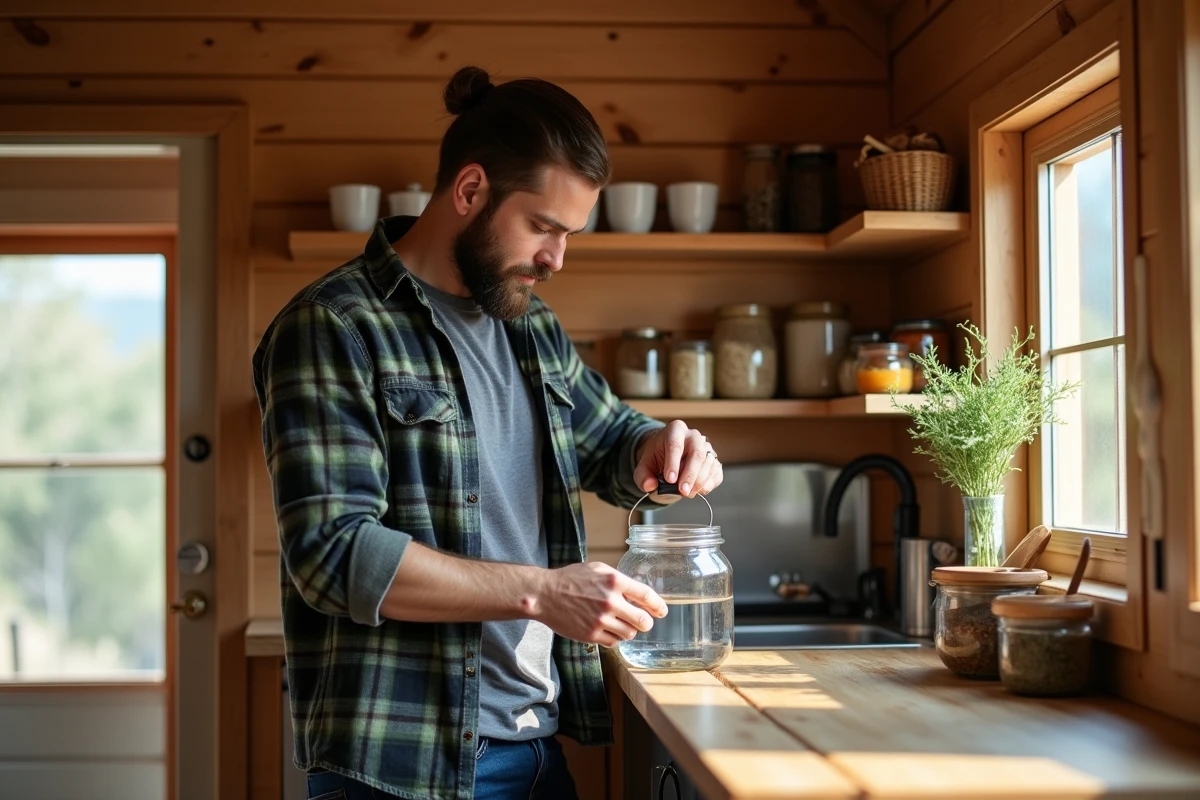
It is the individual stories that best embody autonomy. Across France, families are choosing to leave the city, settle in the countryside, or simply transform their daily lives to gain freedom. On the outskirts of a town, a mother and her son with a disability share: “Our vegetable garden is our freedom. Here, every action counts and every adapted tool brings us closer to a chosen daily life.” This journey highlights the role of a facilitating environment and the importance of support from a community, sometimes an association, sometimes a local support network.
Autonomy does not mean isolation. Collectives are forming, whether they are cooperatives or groups engaged in ecological transition. In Alsace, the village of Ungersheim embodies this dynamic: permaculture, shared water management, mutualization of tools and equipment. The strength of the collective helps to overcome challenges, particularly the regulations in place for individual sanitation or water recovery.
Voices from the field
Here are some voices that shed light on the diversity of paths:
- A family caregiver emphasizes the comfort found in sharing experiences and practical transmission, essential for progressing step by step.
- A local association relays the specific needs of residents, advocating for access to adapted tools and on-the-ground training.
These testimonies remind us: autonomy is neither a myth nor a matter of retreating into oneself. It is a path that is built at the crossroads of choice, mutual aid, and the desire to emancipate oneself. For every situation, there is a way, sometimes winding, but always full of hope. It is up to each person to write the next chapter, in light of their needs, desires, and the world they want to build tomorrow.