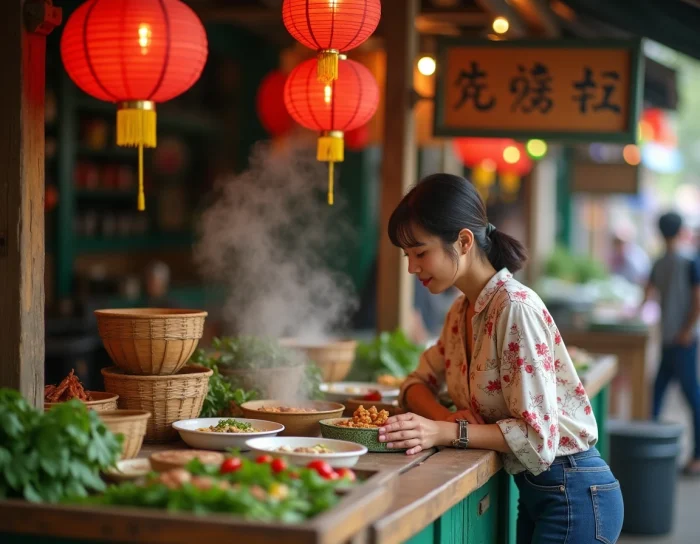
The favorite dishes around the world are no longer defined by continent or national tradition. For the past two years, we have observed an accelerated reshaping of menus and ordering habits, driven by three simultaneous dynamics: the rise of international comfort foods, the multi-origin hybridization of recipes, and the plant-based shift of certain classics. This culinary world tour deserves a reading through the underlying mechanisms rather than just a simple list of specialties.
Multi-origin hybridization: when a dish combines three or more cuisines
Classic fusion food (Franco-Japanese, Tex-Mex) relied on two intersecting registers. This model is outdated. Menu analyses conducted by Datassential and Technomic for the period 2022-2024 document a marked increase in dishes combining three influences or more in major metropolitan areas.
The birria ramen exemplifies this logic well: a Mexican goat broth, Japanese noodles, topped with cilantro and Thai chili. The bao-burger fuses Cantonese steamed bun, American smash patty, and Korean gochujang condiment. These creations are no longer just street food anecdotes. They appear on mid-range bistro menus in Europe and North America.
For restaurant professionals, this international culinary trend poses a specific technical challenge: the management of sauces and textures. A sushi burrito that softens in ten minutes during delivery loses all its appeal.
Brands that succeed with these hybrid dishes systematically work on their stability thirty minutes post-assembly. This involves choices of rice, tortilla, and coating that are very different from a traditional recipe. You can find culinary trends on Monde Gourmandises to delve deeper into this panorama of favorite dishes around the world.
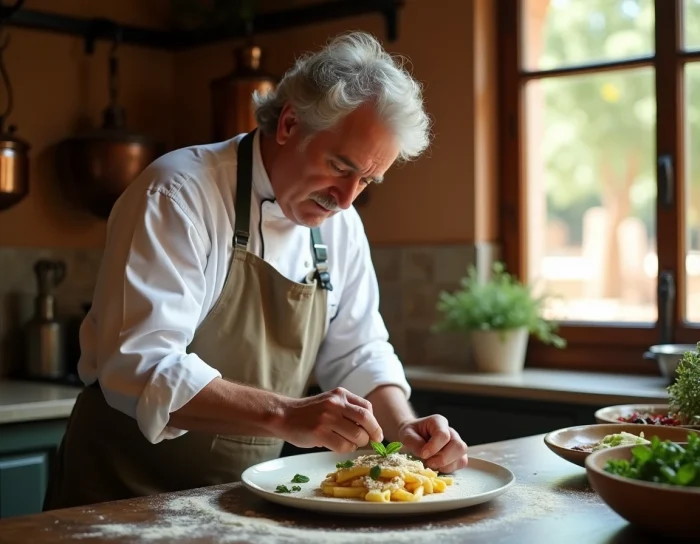
International comfort food: curry, ramen, and tacos topping the orders
The reports from Kantar and Deloitte on out-of-home food consumption since 2023 converge on one point: foreign-origin comfort dishes dominate delivery. Ramen, curry, pho, tacos, and revamped mac & cheese are gaining ground at the expense of technical or gourmet plates.
This shift does not indicate a dilution of taste. It reflects a post-pandemic preference for sharing, generosity, and clarity. A Thai massaman curry with chicken and coconut milk ticks all these boxes: creamy sauce, identifiable protein, rice accompaniment, rounded flavors.
What distinguishes a high-performing comfort food on the menu
- A base sauce or broth that can be prepared in advance, which withstands reheating without losing flavor (curry base, tonkotsu broth, braised salsa)
- A quick final assembly allowing for service in under eight minutes, even during peak ordering
- Fresh herbs and condiments added at the last moment (cilantro, mint, green mango, crispy onion) to create a texture contrast
- A portion format suitable for delivery: deep bowl, closed bread, or rolled tortilla rather than a flat plate
The cuisines that perform best in this category share a common point: a balance between fat, acid, and calibrated spice to please the largest number. Korean street food (fried chicken with gochujang sauce, sesame pork skewers) is a striking example, with rapid growth on European menus.
Plant-based culinary trends: reshaping favorite dishes without meat
The shift towards plant-based options is no longer limited to specialized restaurants. Reports published between 2023 and 2025 by the NGO Good Food Institute document a deeper shift: traditionally meaty dishes are becoming fully-fledged plant-based references.
This phenomenon primarily affects cuisines where legumes, pasta, or rice are already the base. An Indian dal, a vegetable pad thai, or a falafel are not seen as substitutes, but as complete and standalone dishes. This is a decisive advantage in terms of consumer acceptance.
Plant proteins and umami techniques
The technical challenge for world cuisines transitioning to plant-based remains the depth of flavor without animal stock. Chefs who successfully make this transition use three combined levers: fermentation (miso, doenjang, tempeh), dehydrated mushrooms reduced to powder, and long, low-temperature cooking on root vegetables.
Michelin inspectors note that mushrooms are becoming main characters in dishes, rather than just a simple garnish. This trend aligns with the rise of bitterness and depth in plates, with ingredients like cocoa powder in a mole sauce or smoked tea infused in a broth.

Cooking over fire and fermentation: techniques redefining flavors
Michelin inspectors observe a strong technical convergence on the ground: charcoal, smoke, and flame are becoming the primary cooking methods. Japanese binchotan, hot stones, cooking over fruitwood embers. This return to direct fire is not just a rustic trend. It responds to a demand for bold flavors, without artifice.
In parallel, time is becoming an ingredient again. Long fermentations (kimchi, sourdough, homemade vinegars, artisanal fish sauces) bring an aromatic complexity that neither enhancers nor industrial stocks can replicate. Restaurants that combine fire cooking with homemade fermented condiments create a recognizable flavor profile that is difficult for competitors to replicate.
This dual trend has a direct impact on costs: fermentation time occupies space and equipment, and cooking over charcoal consumes more than a plancha. Establishments that integrate it must rethink their margin model, often by reducing the number of references on the menu to focus on a few mastered signature dishes.
The world tour of favorite dishes in 2025-2026 reads less like a catalog of recipes and more like a technical reading grid. The cuisines that are gaining ground, from Thai curry to Korean taco to fermented plant bowl, share common fundamentals: mastered sauce, texture designed for delivery, aromatic depth without industrial shortcuts. These parameters, more than geographical origin, determine which dishes establish themselves durably in consumption habits.